Verizon
Solving a design problem that was really an organizational problem — and unlocking a team's ability to do its best work.
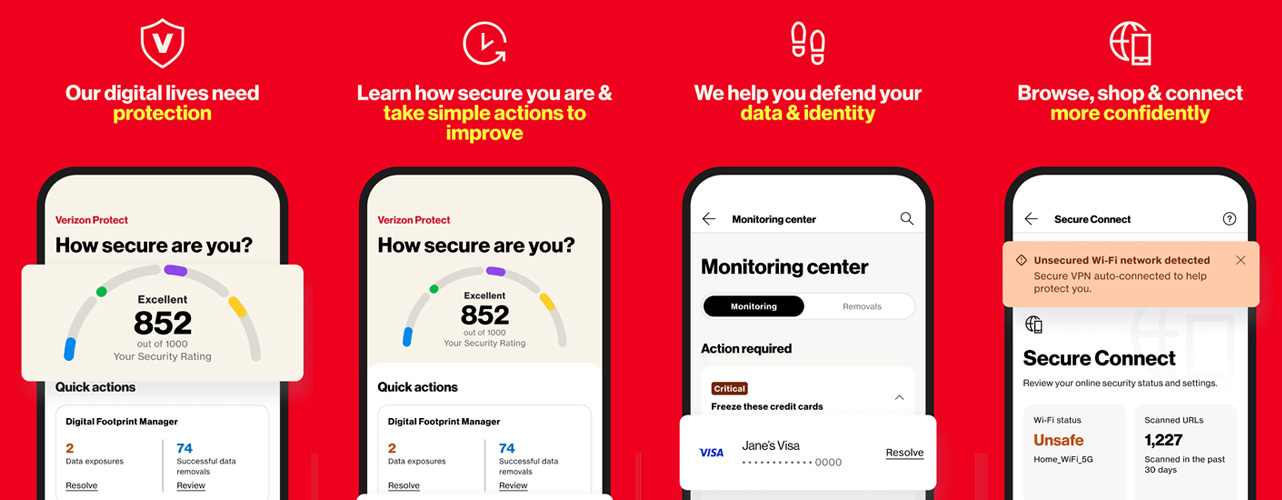
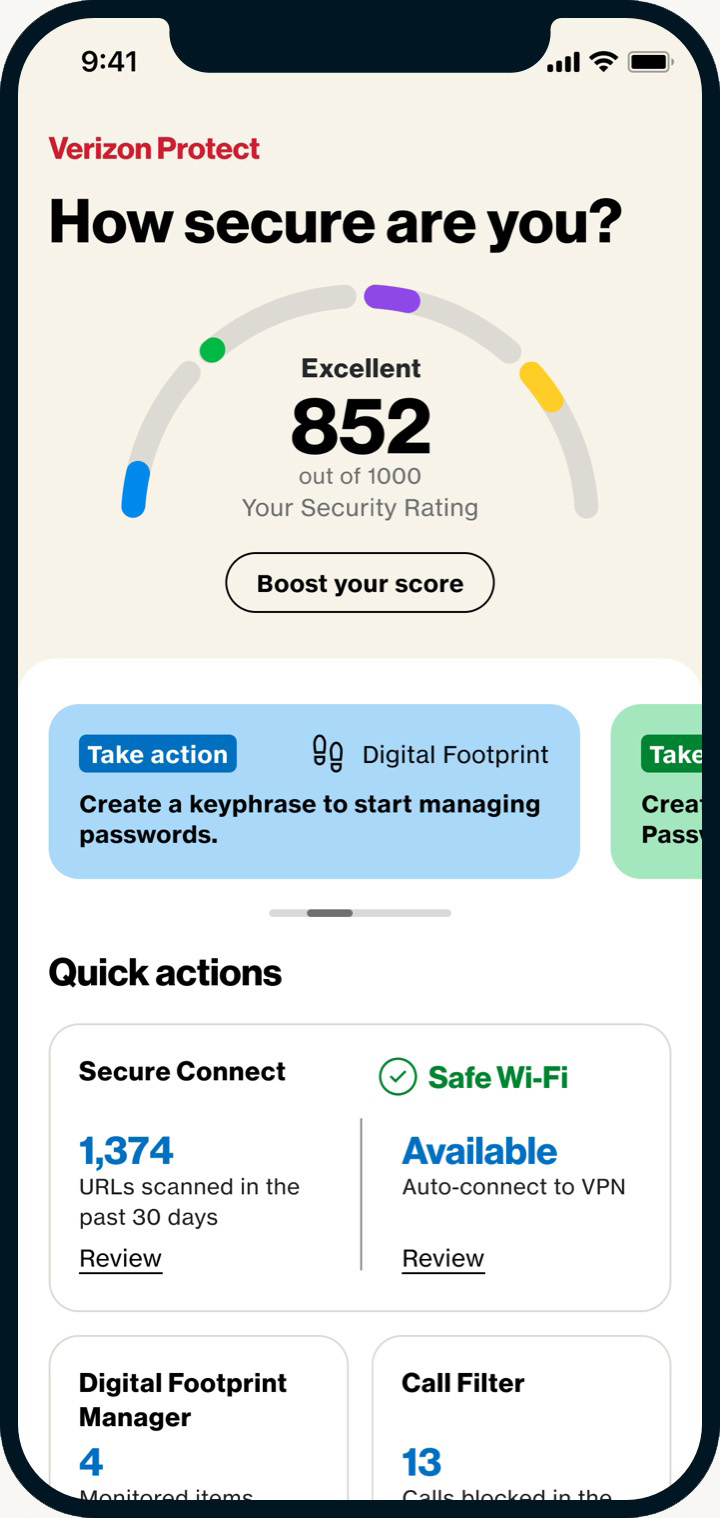
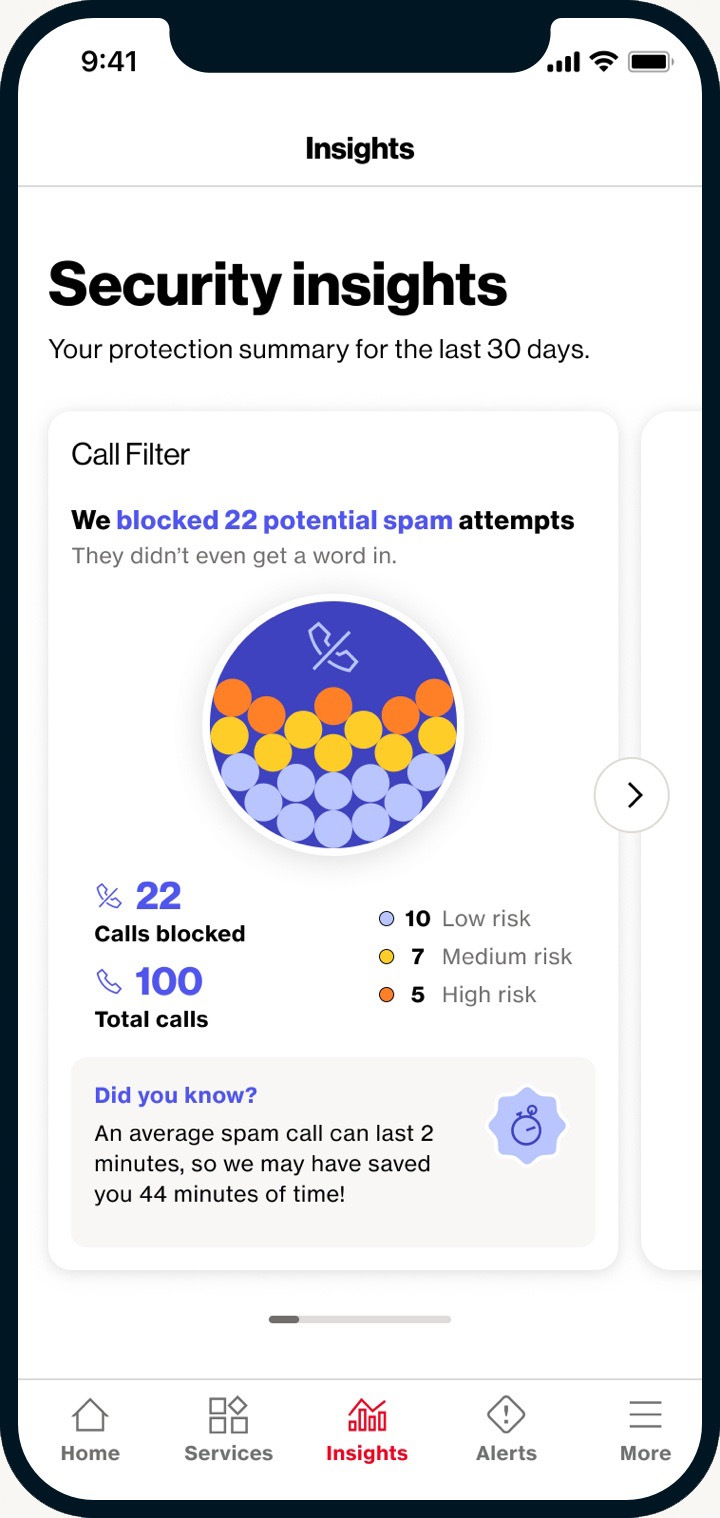
The Verizon Protect engagement was a large-scale platform migration paired with significant product expansion — new features, enhanced experiences, and a modernized app delivered under a complex multi-stakeholder environment. I was brought in specifically to solve a leadership problem as much as a design one. The creative work was strong, but it wasn't moving — and the reason was entirely organizational.
I led the creative discipline across two design pods, each with its own lead and a team of UX, UI, and copywriters. My responsibilities spanned design direction, team guidance, resource allocation across tracks, and presentation coaching. I also sat within the broader Publicis Sapient account leadership for Verizon. I was brought in with a specific mandate: navigate a difficult stakeholder dynamic that had the team stuck.
The Verizon client had two primary stakeholder groups — internal Product leadership and internal Design leadership — both headed by strong, opinionated personalities. On their own, each group was perfectly reasonable. Together, they were rarely in the same room, which meant they were never actually resolving their differences. Instead, they were resolving them through us.
The pattern was debilitating. The design team would meet with one stakeholder group on Monday, incorporate their feedback, then meet with the other group on Tuesday and be pulled in the opposite direction. Back and forth, week after week. The team wasn't designing — they were executing a checklist of conflicting notes from the previous meeting. They had become pixel-pushing production support rather than the thoughtful creative partner the project needed.
The first thing I did was consolidate the reviews. I pushed — diplomatically but persistently — to get both stakeholder groups in the same room at the same time. The reasoning was simple: if they had conflicting feedback, they needed to work that out with each other, not use the design team as a relay. Presenting to both groups simultaneously forced them to respond to each other's perspectives in real time, and the dynamic shifted almost immediately.
"This wasn't a design problem. It was a meeting structure problem — and fixing it required organizational confidence more than design skill."
That structural fix freed the team to actually think. With fewer redundant reviews and a clearer direction coming out of each session, the designers had space to bring genuine craft and strategic thinking back into the work. Toward the end of the engagement, as Verizon went through significant internal changes, our team stepped into a stronger voice-of-design role. The final month was dedicated entirely to knowledge transfer — teaching the remaining Verizon design team how the product worked and the processes that had made the engagement successful.