Spirit Airlines
From a 1.5-star app to an industry-leading mobile experience — and the organizational transformation that made it possible.
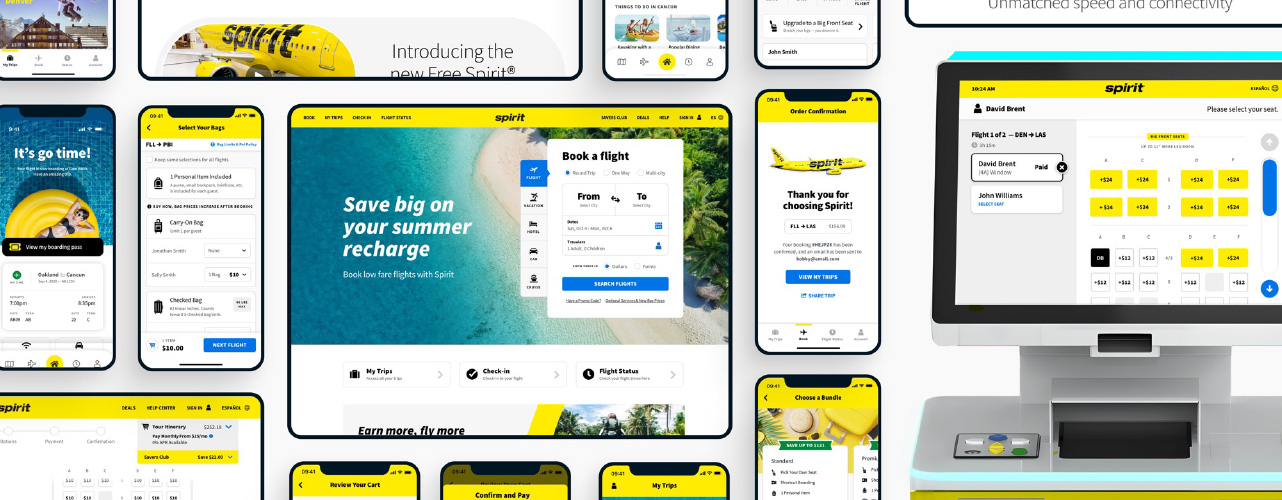
When I started working with Spirit Airlines, their app had a 1.5-star rating and a mobile experience that was actively frustrating customers. By the time the engagement matured, the app was sitting at 4.8 stars — an industry leader — and had become the primary channel for check-in, loyalty transactions, and a growing share of revenue. That turnaround didn't happen because of one redesign. It happened because a small, focused creative team treated it as an organizational transformation, and because we consistently delivered results that earned us more runway to keep going.
I served as creative and UX lead for Publicis Sapient across a multi-year, multi-workstream engagement. I owned experience strategy, creative direction, and UX across every touchpoint — native mobile app, web, airport kiosks, and self-service bag drop. I partnered with a cross-disciplinary organization spanning UX, UI, research, content, strategy, and a large development team — but on the creative side, we operated lean. Spirit was working within tight budget constraints, which meant the creative team was small relative to the scope of the work. That constraint pushed us to be precise, opinionated, and efficient in ways that ultimately made the work better.
Spirit's problem wasn't just a bad app — it was a mobile-averse organizational mindset built on years of decisions made without a coherent UX strategy. The starting point made that clear: the existing app was a white-labeled product built by an offshore vendor that lacked most of the functionality Spirit's customers actually needed. This wasn't a redesign — it was a rebuild from the ground up.
Making that rebuild meaningful required navigating serious technical constraints. Everything ran on deeply antiquated backend systems that created a constant tension between what we wanted to design and what the infrastructure could actually support. Delivering modern functionality on an aging technical foundation meant finding creative solutions at every turn — and knowing when to push engineering and when to design around the limitation.
On top of all that, Spirit's ultra-low-cost model created real UX constraints. The experience had to be completely honest about fees and trade-offs while still feeling trustworthy and easy to navigate. And when the engagement expanded to physical touchpoints, we faced the added challenge of unifying kiosk and self-service bag drop experiences across two systems built and maintained by separate manufacturers.
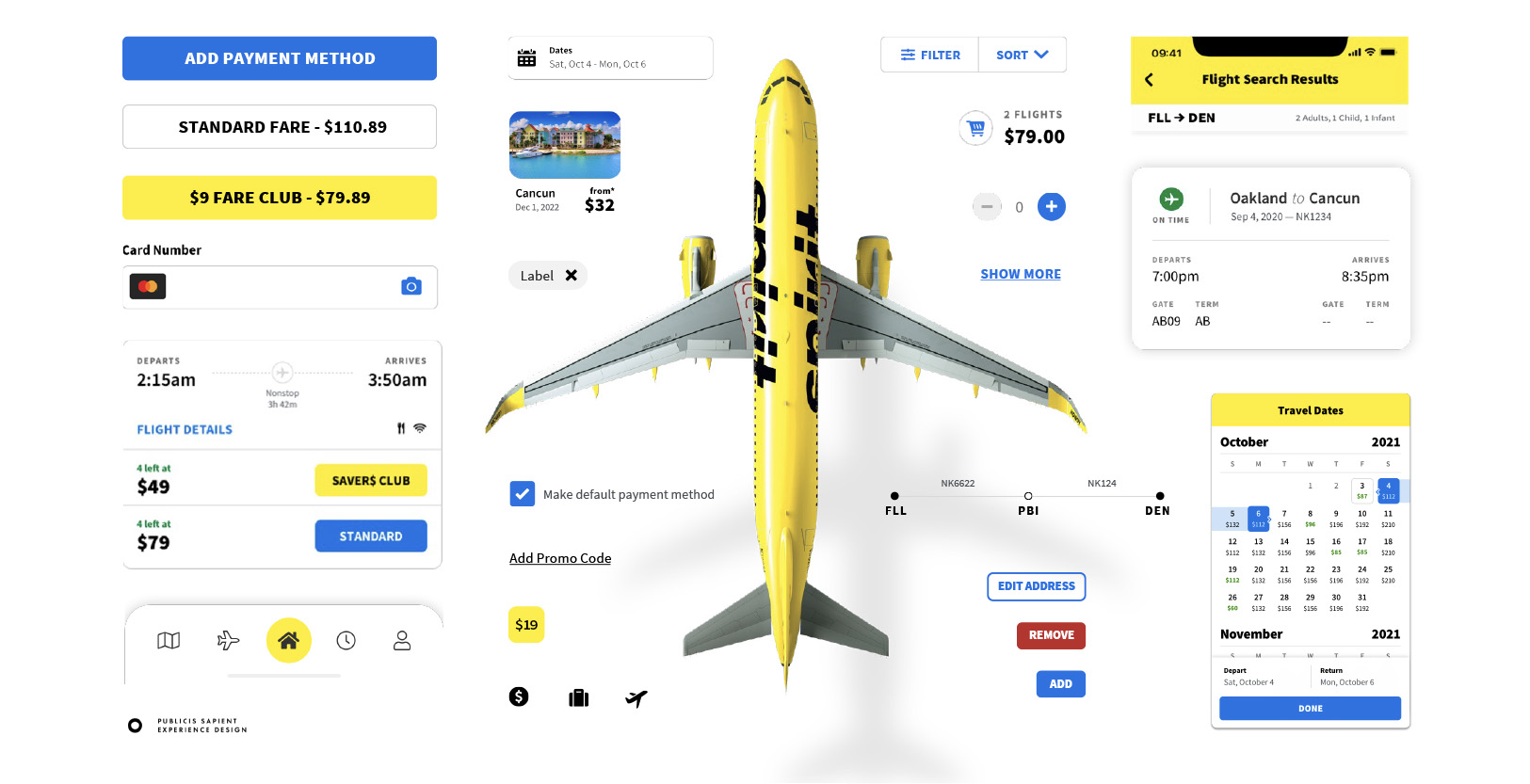
One of the most consequential decisions I made early in this engagement wasn't asked of me — it was something I recognized as necessary and advocated for internally: building a design system. Spirit hadn't budgeted for it and hadn't requested it. But it was obvious that without a shared foundation, every workstream would drift. We built it anyway, positioning it as a long-term investment in partnership efficiency. It became the connective tissue of the entire engagement — eventually allowing Spirit's internal development teams to build and release new pages using pre-coded components without waiting on us for every update.
"The design system was never in the brief. It was the right call — and it changed everything that came after."
Mobile came first and set the bar for everything that followed. The loyalty redesign was a particular area of focus: low award redemption rates were a known problem, and the solution was redesigning the entire mental model around earning and redeeming, including a Points + Cash option for guests short on points. Within 30 days of launch, mobile became the number one channel for reward bookings.
The web expansion wasn't part of the original scope — it was earned. The web client team saw the UX improvements and metric results coming out of the mobile work and wanted the same approach applied to their experience. That's how the engagement grew: not through a pitch, but through proof.
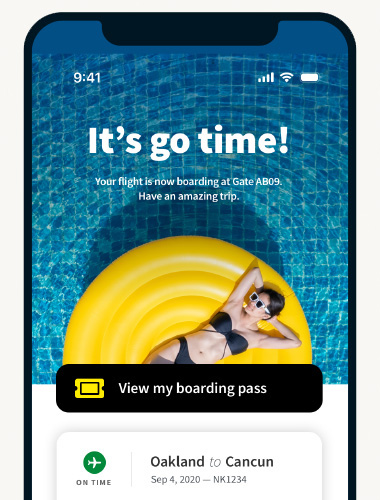
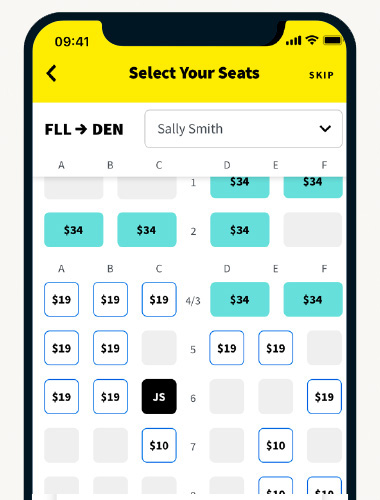
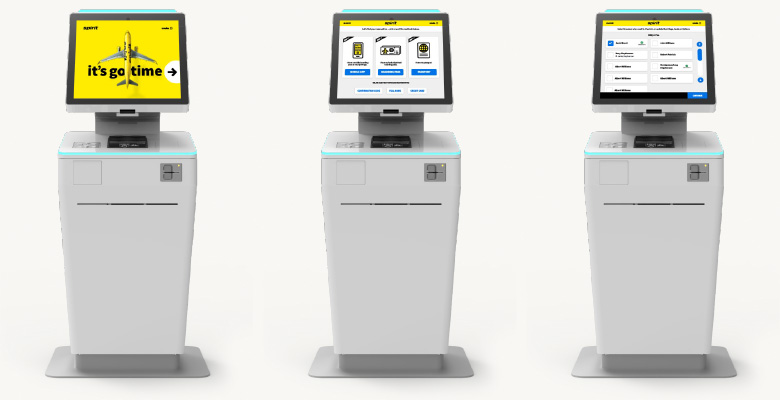
The results reflected a genuine transformation — not just in the product, but in how Spirit's organization thought about digital experience.